


The Difference Between Molded Case Circuit Breaker (MCCB) and Electronic Circuit Breaker:
Working Principle
Molded Case Circuit Breaker (MCCB):
Working Principle: MCCB achieves circuit protection primarily through mechanical structure and thermal magnetic effects. When the current exceeds the rated value, the thermal element heats up, causing the bimetallic strip to bend and trigger the tripping mechanism to disconnect the circuit. In cases of short circuits, the electromagnetic tripper responds quickly to cut off the circuit.
Features: MCCB offers high breaking capacity and excellent electrical insulation performance. It swiftly disconnects the circuit during abnormal currents to safeguard electrical equipment and systems. Its trigger current is adjustable to meet the protection requirements of different circuits and equipment.
Electronic Circuit Breaker:
Working Principle: Electronic circuit breakers utilize electronic components and microprocessors for circuit protection. They detect changes in current and voltage to determine the circuit's status and disconnect it promptly when necessary. Electronic circuit breakers typically provide higher accuracy and faster response speeds.
Features: Electronic circuit breakers can implement complex protection functions such as overload, short circuit, undervoltage, and overvoltage protection. They can also integrate with communication buses for remote monitoring and control. The trigger current and trip time of electronic circuit breakers are often adjustable via software, offering greater flexibility and scalability.
Application Scenarios
Molded Case Circuit Breaker (MCCB):
Widely deployed across industrial, commercial, and residential sectors, especially in systems requiring high breaking capacity and reliability. MCCB is suitable for protecting various circuits and equipment including motors, transformers, and switchboards.
Electronic Circuit Breaker:
More suitable for environments with stringent protection requirements and requiring precise control, such as data centers, communication base stations, and precision instruments. Electronic circuit breakers can provide precise protection and flexible control methods in these scenarios.
Technical Characteristics and Limitations
Molded Case Circuit Breaker (MCCB):
Although MCCB offers comprehensive electrical protection functions and high breaking capacity, its breaking speed may be constrained by mechanical structure and thermal magnetic effects. Additionally, the adjustment range for trigger current and trip time of MCCB is relatively limited.
Electronic Circuit Breaker:
Electronic circuit breakers boast higher precision and faster response speeds, capable of implementing more intricate protection functions and flexible control methods. However, they are more reliant on electronic components and microprocessors, which may be influenced by factors such as ambient temperature and electromagnetic interference.
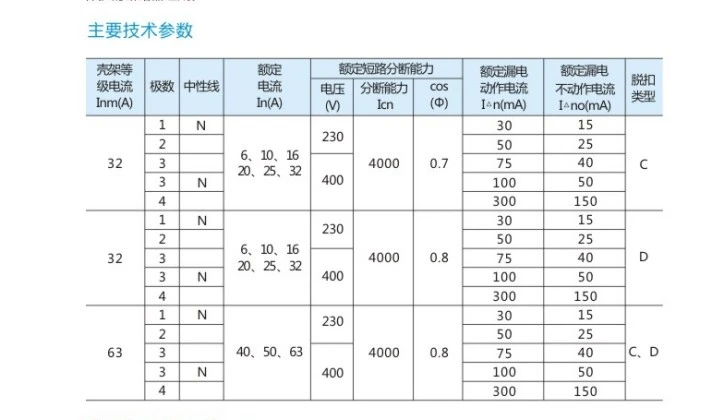
Hot Tags: molded case circuit breaker mccb, China molded case circuit breaker mccb manufacturers, suppliers, factory, Residual Current Circuit Breakers, Moulded Case Breaker, residual current circuit breaker, Residual Circuit Breaker, Nm1 Moulded Case Circuit Breaker, Direct Current Circuit Breaker


